Tear Down and Rebuild House: What to Know Before Starting Your Project
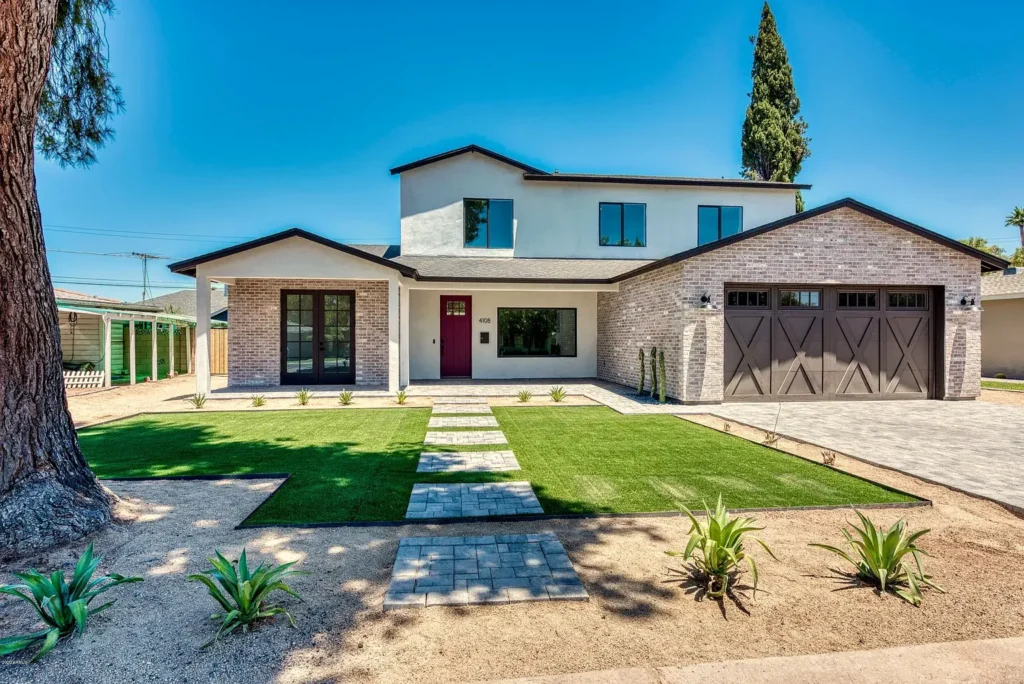
If you’re planning to tear down and rebuild a house, you’re likely already realizing that this process goes far beyond simply knocking down an existing structure. In Phoenix, where lot value often outweighs the structure itself, teardown projects are increasingly common, especially in neighborhoods like Arcadia, Biltmore, and North Central.
Before you get to design plans or finishes, the success of your project depends heavily on early decisions around demolition, permits, utilities, and site preparation. This guide walks you through exactly what to expect with real numbers, timelines, and key considerations.
What Does It Mean to Tear Down and Rebuild a House?
A teardown and rebuild involves demolishing an existing home completely and constructing a brand-new residence on the same lot. This approach is often preferred when:
- The existing home is outdated or structurally limited
- Renovation costs approach or exceed new construction costs
- You want to maximize the value of a desirable lot with an existing structure
In many Phoenix neighborhoods, older homes (built in the 1950s–1980s) sit on premium land with close proximity to everything the city has to offer. Instead of working around outdated layouts, homeowners may choose to start fresh while keeping the location they love.
Cost to Tear Down and Rebuild a House in Phoenix
Here’s a realistic breakdown of what you can expect:
Demolition Costs
- $8,000 – $25,000 for standard residential demolition
- $10 – $20 per square foot depending on structure type, access, and materials
Additional Pre-Construction Costs
- Asbestos testing & abatement: $1,500 – $10,000+
- Permit fees: $500 – $3,000
- Utility disconnection: $500 – $2,500
New Construction Costs
- $300 – $450+ per square foot for a custom home in Phoenix
Example:
A 2,000 sq ft teardown and rebuild project could range from $550,000 – $950,000+ total project cost.
Rebuild vs Remodel
- Major remodels: $150 – $250+ per sq ft
- Full rebuild: higher upfront cost, but often better long-term value, efficiency, and design freedom
Demolition Permit Requirements in Phoenix, Arizona
Before any demolition begins, you’ll need approval from the City of Phoenix or other appropriate entity depending on the location of your project. Typical requirements include:
- Residential demolition permit (required for full teardown)
- Site plan showing the structure and scope
- Contractor licensing verification
- Dust control and debris disposal plan
In some cases, you may also need:
- Maricopa County environmental approval
- HOA approval (if applicable)
Permit approval timelines typically range from 5–15 business days, depending on completeness of documentation.
Residential Demolition Checklist Before Rebuilding
There are several steps involved in residential demolition, but there is no need to worry about how to make it all happen when you hire an experienced home builder like Erwin Jaye Homes. Our process goes smoothly by ensuring that all the necessary steps are followed:
- Obtain demolition permits
- Disconnect all utilities
- Hire a licensed demolition contractor
- Plan debris removal and site clearing
- Confirm grading and lot preparation plan
This phase sets the foundation for everything that follows. Cutting corners here often leads to costly issues later. Fortunately for our clients, cutting corners is not how Erwin Jaye Homes operates.
Timeline: How Long Does It Take to Tear Down and Rebuild a House?
Here’s a realistic timeline breakdown:
Pre-Demolition (Planning + Permits)
- Up to 4-6 months
Demolition Phase
- 3–10 days (standard residential home)
Site Preparation
- 1–3 weeks
Full Rebuild Construction
- 8–14 months depending on size, complexity, and permitting
Total project timeline (estimated): 10–16 months from start to finish
Common Mistakes When Planning a Tear Down and Rebuild
Avoid these costly missteps:
- Underestimating total project cost
- Skipping early utility coordination
- Ignoring zoning, setbacks, and easements
- Hiring unlicensed or inexperienced contractors
- Starting demolition before permits are finalized
These mistakes can lead to delays, fines, or structural limitations later in the build.
What Happens After Demolition? Preparing Your Lot for Construction
Once the structure is removed, your lot needs to be properly prepared for new construction. This includes:
- Grading and leveling the site
- Soil compaction and testing
- Foundation planning and layout
- Utility reconnection planning
While it may not be as glamorous as watching your walls take shape, proper site preparation ensures your new home is structurally sound and built to last.
Working With the Right Team for Your Tear Down and Rebuild Project
A successful teardown project requires coordination across multiple phases, including demolition, permitting, site prep, and construction. Working with a builder early in the process helps:
- Align demolition with construction plans
- Avoid costly rework or delays
- Ensure all systems (utilities, foundation, layout) are properly integrated
A design-build approach simplifies the process and keeps everything aligned from start to finish.
Final Thoughts
A tear down and rebuild house project offers the opportunity to create a completely custom home in a location you already love — but success depends on getting the early steps right.
From demolition permits and utility coordination to site preparation and construction, each phase plays a critical role in the final outcome. If you’re considering rebuilding your home in Phoenix, taking the time to plan properly and working with the right team will make all the difference. It’s the Erwin Jaye way!
Phoenix Regulations & Cost References
The cost ranges, timelines, and regulatory requirements referenced in this article are based on a combination of local Phoenix guidelines and industry-standard construction data. Key sources include the City of Phoenix Planning & Development Department for demolition permitting requirements, and the Maricopa County Air Quality Department for dust control and environmental compliance related to demolition projects.
Utility coordination timelines and processes are informed by service guidelines from Arizona Public Service, Salt River Project, Southwest Gas, and the City of Phoenix Water Services Department.
Environmental inspection requirements, including asbestos regulations, are guided by standards from the Environmental Protection Agency. Construction cost ranges and timelines are supported by national and regional datasets from National Association of Home Builders and RSMeans, alongside aggregated contractor pricing data from platforms such as Angi, HomeAdvisor, and Fixr. All cost estimates reflect typical ranges for residential projects in the Phoenix metropolitan area and may vary based on site conditions, home size, and project complexity. Please reach out to Erwin Jaye Homes to discuss timelines and cost estimates specific to your project.