Renovate or Rebuild? How to Evaluate an Existing Arizona Home
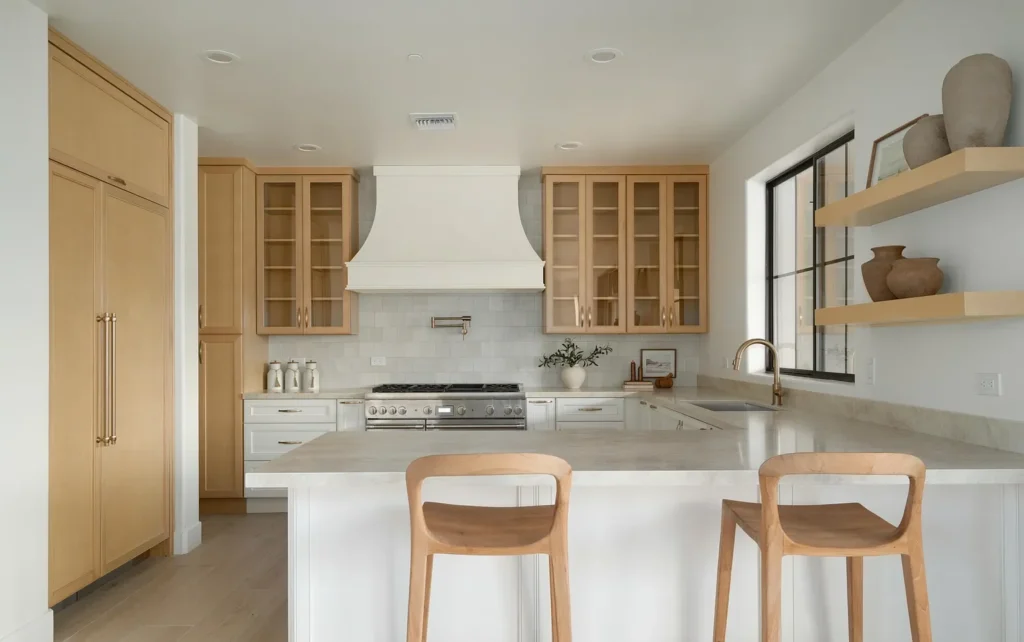
For homeowners in established Arizona neighborhoods, one of the most consequential decisions can come before any plans are drawn: Is the existing home worth renovating, or does the property make more sense as a rebuild?
The answer is rarely as simple as comparing the cost of remodeling with the cost of new construction. A home may have a desirable location, mature landscaping, a favorable position on the lot, or architectural elements worth preserving while still needing substantial structural and mechanical work. Another home may appear serviceable on the surface but require so much reconfiguration that preserving the existing structure begins to work against the homeowner’s goals.
A thoughtful evaluation looks at the house and the property together. Structure, layout, building systems, site conditions, permitting requirements and long-term plans all help determine whether renovation or rebuilding offers the stronger path forward.
Start With What Is Worth Preserving
Before focusing on what is wrong with the home, identify what is already working.
For some homeowners, the value is primarily in the location. Established areas such as Arcadia, Central Phoenix, Scottsdale and Paradise Valley can offer mature landscaping, larger lots, familiar streets and proximity to the places a homeowner already uses every day. In those cases, keeping the property while changing the house can be much more appealing than relocating.
Within the home itself, there may also be elements worth retaining: a sound foundation, favorable orientation, existing pool placement, mature trees, a useful portion of the floor plan or architectural character that would be difficult to reproduce.
A major home renovation can make sense when those existing conditions provide a strong framework for the home the owner ultimately wants. The question is not whether everything is perfect today, but whether the parts being retained help rather than restrict the next version of the house.
Evaluate the Structure Before the Finishes
Paint, flooring, cabinetry and fixtures are relatively easy to imagine changing. Structural limitations require more careful evaluation.
Before deciding how extensively to renovate, homeowners should understand the condition and configuration of the foundation, framing, roof structure and load-bearing walls. Previous additions and renovations deserve attention as well. Older homes may have been modified several times, and the construction hidden behind the finishes may not be as straightforward as the current floor plan suggests.
A builder, architect or structural engineer can help determine which portions of the home can reasonably be adapted and where changes may become more involved.
This matters because a renovation can quickly grow in scope when a design requires extensive structural modification. Opening several rooms into one larger space, substantially changing the roofline, adding a second story, raising ceilings or expanding large openings to the backyard may all be possible, but each decision interacts with the structure already in place.
A house does not need to be structurally perfect to justify renovation. The more useful question is whether the existing structure is an asset to the proposed design or something the project will continually have to work around.
Ask Whether the Existing Layout Can Realistically Become the Home You Want
An outdated floor plan does not automatically require a teardown. Many homes can be substantially reconfigured through selective wall removal, additions, relocated openings and better connections between rooms.
But there is a point at which repeatedly forcing a new plan into an old structure becomes inefficient.
Consider ceiling heights, structural wall locations, changes in floor elevation, plumbing locations, window placement, roof geometry and the relationship between the house and the backyard. If nearly every major feature needs to move, the project may be approaching the complexity of new construction while still carrying the constraints of the original building.
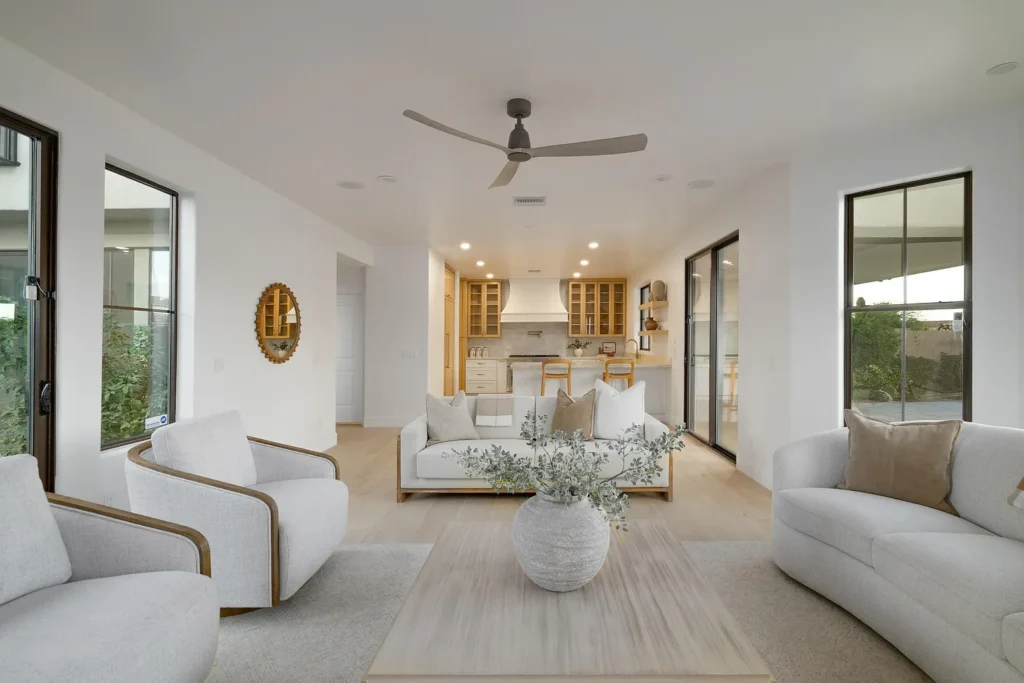
This is particularly important with older homes where homeowners want larger kitchens, stronger indoor-outdoor connections, more natural light, larger primary suites or a substantially different entertaining layout. Removing one wall may solve a specific problem, but a successful whole-home renovation needs to work as a complete plan.
Erwin Jaye’s guide to whole-home renovations in Arizona looks more closely at how major remodels can address layout, indoor-outdoor living and the way established homes function.
Look Beyond the Rooms to the Systems Behind Them
The visible condition of a home tells only part of the story.
Electrical service, plumbing, sewer connections, HVAC equipment and ductwork, roofing, insulation, windows and other building-envelope components may all need to be considered during a major renovation. If the home is several decades old, different systems may also have been repaired or replaced at different points in its life.
Arizona’s climate makes some of these decisions particularly important. Cooling performance is influenced not only by the air-conditioning equipment but also by insulation, air sealing, glazing, orientation and solar exposure. A beautifully renovated interior can still be uncomfortable if the building systems and envelope are treated as separate concerns.
When a project already requires opening large portions of the home, there can be an opportunity to address these systems together. Conversely, if nearly every major system requires replacement in addition to extensive structural and layout changes, homeowners should at least compare that scope with what a new home would require.
The issue is not that replacing old systems makes a renovation a poor investment. It is that the true scope should be understood before the decision is made.
Evaluate the Property, Not Just the House
The existing house is only one part of the equation. The lot itself can strongly influence whether renovation or rebuilding makes more sense.
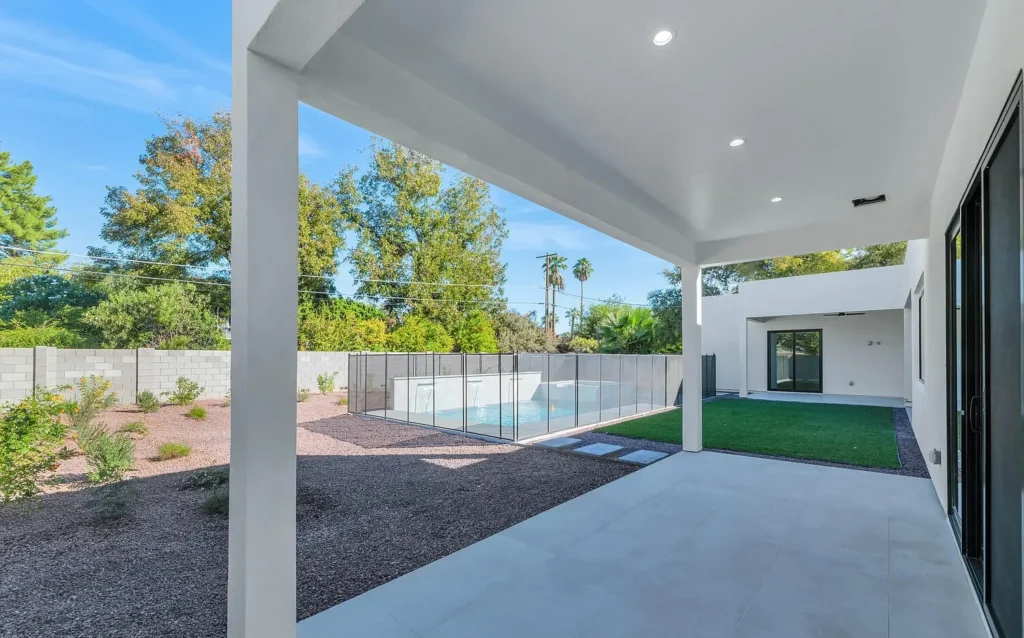
Consider where the home sits on the property, how it relates to the street and backyard, where vehicles enter, how the pool and outdoor areas are positioned, and whether the existing orientation takes advantage of views, privacy and shade.
A house may be outdated but exceptionally well positioned on the lot. Preserving that placement can be a significant argument for renovation. Another structure may sit in a location that limits the backyard, blocks a desirable view or makes a planned addition difficult.
Rebuilding creates more freedom to reconsider those relationships, but starting over also means evaluating the property under the requirements that apply to the new project. In Phoenix, custom homes are reviewed for zoning, building codes, grading and drainage requirements, and their plans must show the house’s orientation on the lot. Major additions and remodels also require permits, with grading, drainage or hillside approvals required in some circumstances.
Scottsdale similarly treats remodels, additions, custom homes and guest houses as part of its single-family residential construction process, with the required review depending on the scope of work.
For that reason, it is worth understanding both what the existing home gives you and what changing or replacing it would allow.
Compare the Full Scope, Not Just a Cost Per Square Foot
Homeowners understandably want to know which option costs less. Unfortunately, broad cost-per-square-foot comparisons can oversimplify the decision.
Renovation includes its own forms of complexity. Crews may need to protect parts of the home that are staying, tie new construction into old framing, work around existing utilities or address conditions that only become visible after demolition. A significant renovation may also involve temporary structural support, selective demolition and careful sequencing between trades.
New construction begins with fewer existing conditions, but it brings an entirely different scope: complete demolition where applicable, site preparation, a new structure, new systems and finishes throughout the home.
That is why the better comparison is usually project to project, not renovation square footage versus new-construction square footage.
If renovating allows a homeowner to preserve a substantial amount of useful structure while achieving the desired result, keeping the existing home may offer considerable value. If most of the structure, systems and layout need to change, rebuilding deserves serious consideration.
Erwin Jaye has a separate guide to the tear-down and rebuild process in Phoenix for homeowners who are considering that route.
Older Homes May Bring Additional Pre-Construction Considerations
The age of a home can also affect how demolition and renovation are approached.
For homes built before 1978, federal lead-safe renovation requirements may apply when painted surfaces are disturbed. The Environmental Protection Agency requires covered contractors performing renovation work in qualifying pre-1978 housing to follow its Renovation, Repair and Painting requirements.
Asbestos can be another consideration depending on the age, materials and scope of the project. Within Maricopa County, renovation and demolition activity can be subject to asbestos regulations and notification requirements depending on the building and work being performed. The county recommends reviewing the applicable requirements before work begins.
These issues do not automatically make renovation impractical. They are simply examples of why an existing home’s age and construction history should be understood before demolition begins.
When Renovation May Make More Sense
Renovation is often worth exploring when the home’s underlying structure is sound, its position on the property works well and the desired design can be achieved without replacing nearly everything that already exists.
It can be particularly compelling when homeowners value features that would be difficult or unnecessary to recreate: mature landscaping, an established pool and outdoor area, a useful building footprint, architectural character or a portion of the home that already functions well.
Renovating can also allow a home to evolve while retaining some of what made the property appealing in the first place.
The important distinction is between preserving intentionally and preserving something simply because it is already there.
When Rebuilding Deserves a Closer Look
Rebuilding may become the stronger option when the existing home imposes fundamental constraints on the project.
That could include a structure poorly positioned on the lot, extensive structural issues, ceiling or roof configurations that conflict with the desired architecture, a floor plan requiring near-total reconstruction, or building systems that all need substantial replacement alongside the architectural work.
Starting over can also make sense when the homeowner’s goals are so different from the existing house that relatively little of the original structure would meaningfully contribute to the finished result.
That does not make rebuilding automatically better. It simply means the freedom of new construction may be more valuable than the structure being preserved.
Make the Decision Before the Design Goes Too Far
The best time to compare renovation and rebuilding is early, before a homeowner becomes committed to a design that assumes one path or the other.
A useful evaluation should bring together the condition of the existing structure, the homeowner’s priorities, the property itself, local requirements and the anticipated construction scope. In some cases, the answer will clearly favor renovation. In others, starting fresh will create a more coherent home with fewer compromises.
And sometimes the right answer sits somewhere in between: preserving one meaningful portion of the house while substantially rebuilding another.
Erwin Jaye approaches major renovations with the same attention to structure, coordination and long-term function required in custom home construction. If you’re evaluating an existing property in Phoenix, Scottsdale, Paradise Valley, Arcadia or the surrounding area and aren’t sure whether to renovate or rebuild, reach out to us to discuss your options.