Why HVAC and Airflow Matter When Building a Home in the Desert
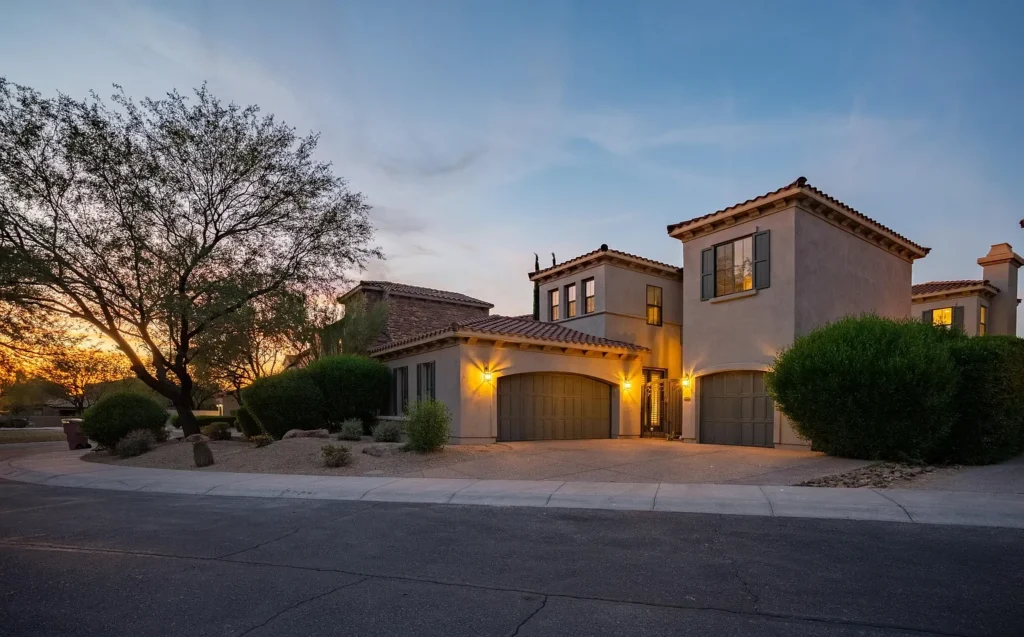
In Arizona, comfort is not just about beautiful finishes, open layouts, or high-end materials. In a desert climate, the way a home handles heat, airflow, insulation, and cooling has a major impact on how the home feels every single day. That is why HVAC planning is such a critical part of building or renovating a home in Phoenix, Scottsdale, Paradise Valley, Arcadia, and surrounding areas.
A home can be beautifully designed, but if the airflow is uneven, the system is poorly sized, or certain rooms never seem to cool properly, the experience of living in the home changes. In the desert, where extreme heat is part of daily life for much of the year, comfort needs to be built into the home from the beginning.
Whether you are planning a new custom home or a full-home renovation, HVAC and airflow should never be treated as an afterthought. They are part of the home’s foundation for livability.
Desert Homes Need More Than Standard Cooling
Building in Arizona is different from building in many other parts of the country. Homes in the Phoenix area must respond to long periods of intense sun, high summer temperatures, and large cooling demands. This makes proper HVAC planning especially important.
It is not enough to simply install a large air conditioning system and assume the home will be comfortable. In fact, bigger is not always better. A system that is too large can cycle on and off too quickly, while a system that is too small may struggle to keep up during peak summer heat. The goal is to design a system that is appropriately sized for the home, the layout, the insulation, the windows, the orientation, and the way the spaces will be used.
In a luxury home, comfort should feel effortless. Rooms should cool evenly. The home should not have hot spots, stuffy areas, or spaces that feel disconnected from the rest of the system. That kind of comfort starts with planning.
Airflow Affects How the Whole Home Feels
Airflow is one of the most important parts of HVAC design because it determines how conditioned air moves through the home. Even if the equipment itself is high quality, poor airflow can make a home feel uncomfortable. One room may feel too warm while another feels too cold. A bedroom at the end of the duct run may never cool as well as the main living area. Tall ceilings, large windows, open floor plans, and indoor-outdoor spaces can all affect how air moves.
For custom homes and major renovations, airflow should be evaluated early. Duct placement, return air locations, ceiling heights, room sizes, window exposure, and zoning all matter. A well-designed airflow plan helps the home feel balanced. It supports the architecture rather than fighting against it. This is especially important in large homes, open-concept layouts, guest suites, home offices, and second-story spaces where cooling needs may vary throughout the day.
Proper Sizing Is Essential
One of the most common HVAC mistakes is assuming that a larger system will automatically perform better. A properly sized system is based on the actual needs of the home. This includes square footage, insulation levels, window types, sun exposure, ceiling height, duct design, air leakage, and the home’s overall construction quality.
For a new build, this means HVAC planning should happen alongside the architectural and construction process. For a renovation, it may mean reassessing whether the existing system still makes sense after walls are moved, square footage is added, windows are replaced, or insulation is improved.
A major renovation can completely change how a home performs. If the HVAC system is not evaluated as part of that transformation, the home may look new but still feel uncomfortable. That is why full-home renovations require a broader view. The builder, HVAC professionals, and design team need to consider how the entire home will function once the work is complete.
Ductwork Matters More Than Many Homeowners Realize
The HVAC equipment is only one part of the system. The ductwork is what distributes conditioned air throughout the home. If the ducts are poorly designed, leaky, undersized, oversized, or routed through extremely hot spaces without proper insulation, the system may not perform the way it should. In Arizona, where attics can become intensely hot, duct design and placement are especially important.
Thoughtful duct planning can help improve comfort, efficiency, and consistency from room to room. This may include balanced supply and return airflow, properly sealed ducts, strategic routing, and careful consideration of where mechanical systems are located.
In a luxury home, these behind-the-scenes choices matter. Homeowners may never see the ductwork after the project is complete, but they will feel the difference every day.
Zoning Can Improve Comfort in Larger Homes
Luxury homes often include a variety of spaces with different cooling needs. A primary suite may need to feel comfortable at night. A great room with large windows may receive more heat during the day. Guest rooms may not be used all the time. A home office may need consistent comfort during work hours. Outdoor-connected spaces may experience more temperature variation.
This is where zoning can be helpful. A zoned HVAC system allows different areas of the home to be controlled separately. Instead of forcing the entire home to operate as one single space, zoning can help tailor comfort to how the home is actually used.
For larger custom homes and full-home remodels, zoning should be discussed early in the planning process. It can influence duct design, thermostat locations, equipment choices, and how different areas of the home are grouped together.
Insulation, Windows, and Orientation All Affect HVAC Performance
HVAC does not work in isolation. The comfort of a desert home is also shaped by insulation, air sealing, window quality, shade, roof design, exterior materials, and the home’s orientation on the lot. A well-designed HVAC system will perform better when the rest of the home is designed to manage heat effectively.
Large windows, for example, can create beautiful natural light and views, but they also need to be considered carefully in Arizona. Window placement, glass performance, overhangs, shade, and exposure all affect cooling loads. For homeowners thinking through this part of the design, our guide to choosing energy-efficient windows for Arizona homes explains what to consider when selecting windows for comfort, efficiency, and long-term performance.
The same is true for indoor-outdoor living. Large sliding doors, covered patios, courtyards, and outdoor entertaining areas are a major part of Arizona luxury home design. These features should be planned in a way that supports comfort inside the home as well as outside.
When the building envelope and HVAC system are considered together, the home is better positioned to feel comfortable and efficient.
Renovations Should Include an HVAC Evaluation
For homeowners planning a major renovation, HVAC is especially important. Older homes in Phoenix, Arcadia, and Scottsdale may have systems that were designed around the original layout. Once walls are removed, rooms are expanded, additions are built, or the home is opened up, the old system may no longer support the new design.
A full-home renovation is the right time to evaluate airflow, ductwork, equipment, insulation, and overall comfort. It is also an opportunity to correct long-standing issues, such as hot bedrooms, uneven cooling, noisy airflow, poor return placement, or outdated equipment.
If the goal is a true luxury renovation, the home should not only look better. It should live better.
HVAC Planning Is Part of Luxury Homebuilding
Luxury is often associated with visible details: stone, cabinetry, flooring, fixtures, and architectural design. But some of the most important luxury features are the ones homeowners experience quietly.
A comfortable home is one of them. When HVAC and airflow are thoughtfully planned, the home feels calmer, more consistent, and easier to live in. Rooms feel usable throughout the day. The primary suite feels restful. Entertaining spaces feel comfortable. Guest areas feel considered. The home functions as beautifully as it looks.
That level of comfort does not happen by accident. It comes from early planning, strong coordination, and a builder who understands that systems are part of the design.
Building for Comfort in the Arizona Desert
In the desert, HVAC and airflow are not just technical details. They are essential to the way a home performs. Whether you are building a new custom home in Arizona or planning a major home renovation in Phoenix, Scottsdale, Paradise Valley, or Arcadia, comfort should be part of the conversation from the beginning. The best homes are not only beautiful in photos. They feel good to live in, season after season.
At Erwin Jaye Homes, we believe that thoughtful building means paying attention to every layer of the home — from the visible design details to the systems that support daily life. Because in Arizona, a truly well-built home should be refined, functional, and comfortable even in the heat of the desert.
Planning a custom home or major renovation in Arizona? Contact Erwin Jaye Homes to create a home designed for beauty, comfort, and everyday livability in the desert.