Window Selection in the Desert: Performance, Glazing & Efficiency
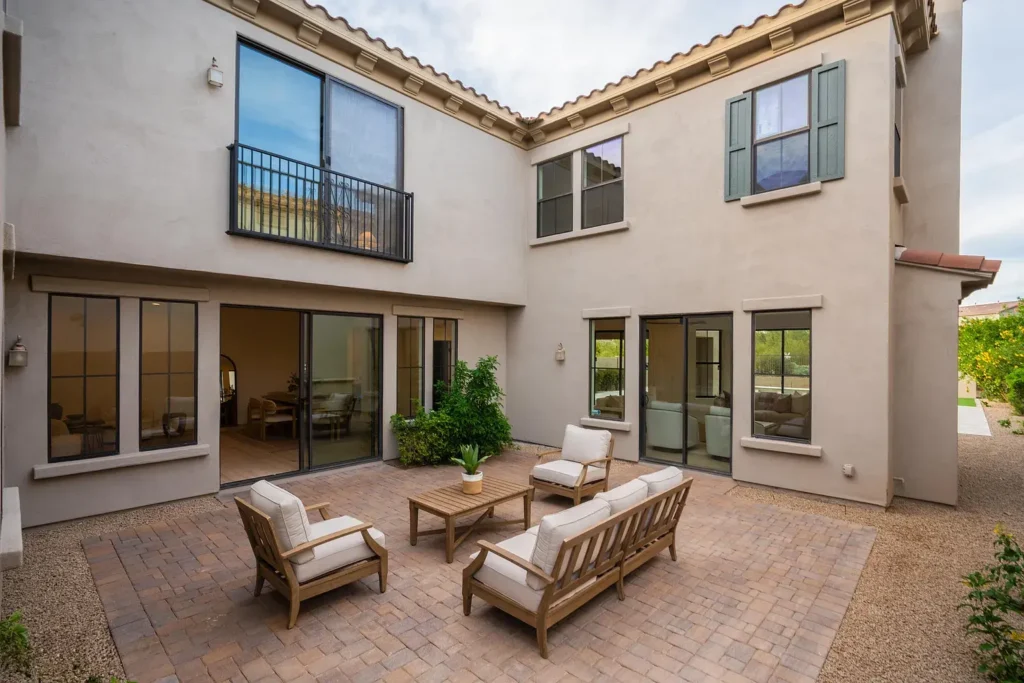
Arizona’s desert landscapes offer stunning views, and it’s no surprise that many homeowners want to maximize them with large, expansive windows. The challenge, however, is balancing those views with the realities of extreme heat. Arizona is one of the hottest places on earth from May to September, making heat-conscious home design especially important for local homeowners.
Without the right window selections, beautiful natural light can quickly turn into unwanted indoor heat. Whether you’re building a new home or planning a large-scale renovation, selecting the right window system for a desert climate is essential for maintaining comfort, efficiency, and long-term durability.
In this guide, we’ll walk through the key factors to consider when choosing windows suited for desert environments, and how thoughtful design can help you enjoy the view without sacrificing performance.
Why the Right Window Matters
Choosing the wrong type of window can significantly impact your home’s comfort and energy efficiency. In a climate like Arizona’s, standard windows may struggle to block intense solar heat and UV radiation.
Poor-performing windows can lead to:
- Increased indoor temperatures and uneven room comfort
- Higher energy bills due to overworked HVAC systems
- Long-term damage to furniture, flooring, and finishes from UV exposure
High-performance windows, on the other hand, are specifically designed to reduce heat transfer, improve insulation, and protect your interior spaces while still allowing natural light to enter. The U.S. Department of Energy notes that window performance ratings such as U-factor, Solar Heat Gain Coefficient, visible transmittance, and air leakage help homeowners compare energy performance more accurately.
Key Window Features for Desert Climates
Multi-Pane Glass Systems
Multi-pane windows, typically double- or triple-pane, consist of multiple layers of glass separated by an insulating gas such as argon or krypton.
These systems help:
- Reduce heat transfer from outside to inside
- Improve overall insulation performance
- Minimize outside noise intrusion
For desert homes, double-pane windows with proper coatings are often the baseline, while triple-pane may be beneficial in particularly exposed areas or for homeowners seeking additional insulation and noise reduction.
Low-Emissivity, or Low-E, Glass
Low-emissivity glass, commonly called Low-E glass, features a microscopically thin coating that reflects infrared heat and helps block harmful UV rays. ENERGY STAR notes that Low-E coatings and strong window performance can help reduce unwanted heat gain, especially in hot and sunny climates.
Benefits include:
- Reducing solar heat gain without sacrificing natural light
- Protecting interiors from UV-related fading
- Improving overall energy efficiency
This is one of the most important features for homes in high-sun environments like Arizona.
Performance Metrics to Understand
When comparing window options, these ratings provide a clear picture of performance:
U-Factor: Measures how well a window insulates. Lower values indicate better insulation. ENERGY STAR explains that U-factor measures the rate of heat transfer, and lower numbers generally mean the window insulates better.
Solar Heat Gain Coefficient, or SHGC: Indicates how much solar heat passes through the window. Lower values are ideal for hot climates because they help block more heat from the sun. ENERGY STAR specifically notes that lower SHGC ratings are better for hot, sunny climates where reducing heat gain can lower cooling demand.
Visible Transmittance, or VT: Measures how much natural light enters your space. Higher values mean brighter interiors, which can be helpful when trying to maintain natural light without relying solely on artificial lighting.
Air Infiltration Rate: Reflects how much air leaks through the window assembly. Lower values improve comfort and efficiency by reducing unwanted air movement. The NFRC label may include air leakage ratings along with U-factor, SHGC, and visible transmittance, making it a helpful tool when comparing products.
Strong Frames, Smarter Performance: Choosing the Right Window Material
While glass performance often gets the most attention, window frames play an equally important role in overall efficiency, durability, and long-term value. The right frame material can enhance insulation, support larger window designs, and withstand the harsh desert climate.
Below are some of the most common window frame options to consider:
Fiberglass Windows
Fiberglass frames are a premium option known for their strength and longevity.
- Higher upfront cost, but longer lifespan
- Excellent durability in extreme heat conditions
- Strong enough to support larger window openings
- High energy efficiency with minimal expansion and contraction
Fiberglass can be a strong fit for custom homes where larger openings, durability, and long-term performance are priorities.
Vinyl Windows
Vinyl windows are a popular choice for homeowners seeking affordability and ease of maintenance.
- Budget-friendly option
- Low maintenance, with no painting or sealing required
- Good insulation performance
- Ideal for standard-sized window applications
Vinyl can work well for many residential applications, though homeowners should still compare product ratings carefully to ensure the window is appropriate for Arizona’s heat.
Aluminum Windows
Aluminum frames are often chosen for their sleek appearance and structural strength.
- Slim profiles allow for larger glass areas and modern aesthetics
- Strong and durable material
- Performs best when paired with thermal breaks to improve energy efficiency
- Well-suited for contemporary home designs
Because aluminum conducts heat more readily than some other frame materials, thermal breaks are especially important when using aluminum windows in desert climates.
Bringing It All Together
The right window selection is about more than just aesthetics. It’s a critical component of your home’s overall performance. By combining multi-pane construction, Low-E coatings, and strong performance ratings, you can create a space that remains comfortable, efficient, and protected from the harsh desert sun.
With the right approach, it’s entirely possible to enjoy expansive views, bright interiors, and energy efficiency all at the same time.
If you’re planning a new build or considering upgrading your windows, working with a team that understands desert-specific design can make all the difference. At Erwin Jaye, we take a thoughtful, performance-driven approach to every detail, helping you create a home that not only looks exceptional, but functions beautifully in Arizona’s climate.
Ready to talk through your project? Contact Erwin Jaye Homes to start the conversation!