How Long Does It Take to Build a Custom Home? A Realistic Timeline
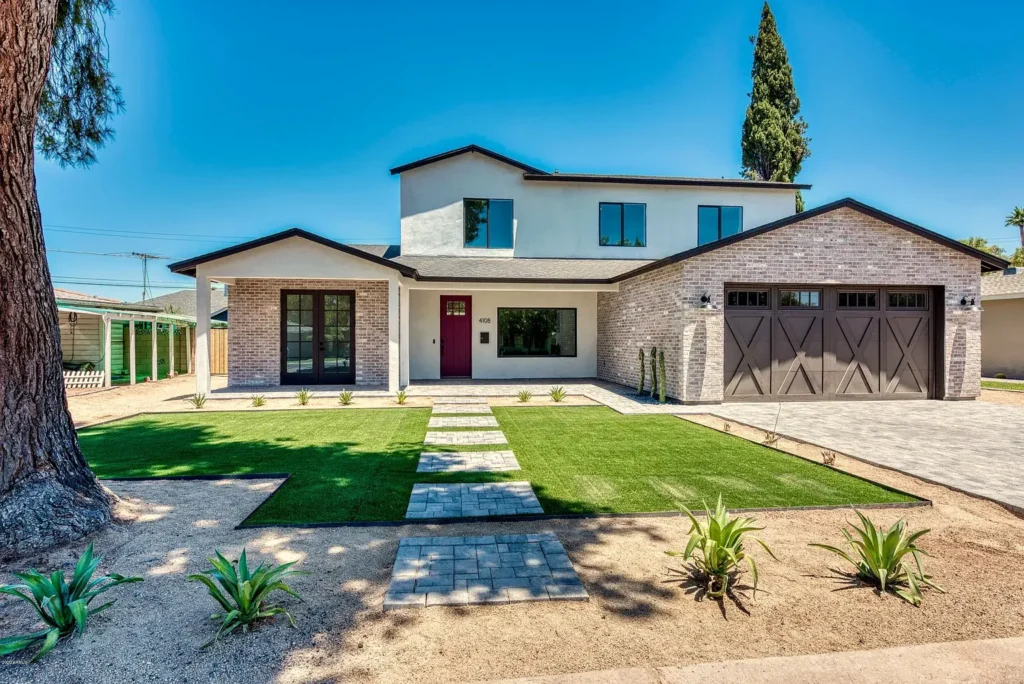
When people ask how long it takes to build a custom home, they’re usually hoping for certainty. The reality is that a thoughtful custom home takes time — and that time is intentional. According to the Census Bureau, a custom home build timeline typically falls between 7 and 18 months from the first design conversation to move-in day.
That timeline is influenced not just by construction, but by everything that happens before a shovel ever hits the ground.
Design and Planning: Where the Timeline Really Begins
The most overlooked portion of the timeline is the design and pre-construction phase. This stage often takes several months and includes architectural design, engineering, budgeting, and permitting. For luxury homes in particular, this phase is where success is defined.
Rushing design decisions often leads to changes during construction, which almost always causes delays. When homeowners take the time to align layout, materials, and budget early, construction tends to move more smoothly and predictably.
In many cases, clients are surprised to learn that thoughtful planning can actually shorten the overall timeline by preventing rework later.
Construction: Turning Vision Into Reality
Once permits are approved and materials are ordered, construction begins. This phase typically lasts anywhere from eight months to well over a year, depending on complexity. Structural work, mechanical systems, finishes, and inspections all require careful sequencing.
Luxury homes often include custom elements that can’t be rushed. Millwork, stone fabrication, specialty glazing, and integrated technology systems all require coordination and lead time. While it may seem slower on the surface, this level of care protects quality and long-term performance.
The Role of Communication Throughout the Timeline
Beyond the physical stages of construction, one of the biggest influences on a custom home build timeline is communication. Clear expectations, regular updates, and proactive problem-solving help keep projects moving forward even when challenges arise. When homeowners understand what’s happening, why certain steps take time, and what decisions are coming next, the process feels more predictable — even if the timeline adjusts along the way.
A builder who maintains consistent communication can often prevent small issues from becoming major delays. By addressing questions early, coordinating trades carefully, and keeping everyone aligned, the overall experience feels more controlled and far less stressful. In many cases, strong communication doesn’t shorten the timeline on paper, but it dramatically improves how the timeline feels for the homeowner.
Why Every Custom Home Timeline Is Unique
No two custom homes follow the exact same schedule, even when they appear similar in size or scope. Site conditions, local jurisdiction requirements, and client-specific design choices all influence how a project unfolds. Some homes move quickly through construction but take longer in design, while others finalize plans early and require extended build times due to specialized materials or architectural details.
Understanding that variability helps set realistic expectations from the start. Rather than viewing the timeline as a rigid countdown, it’s more helpful to see it as a framework that adapts to the project’s needs. When homeowners embrace this perspective, the focus shifts from rushing to completion to ensuring each phase is handled with care — ultimately leading to a home that feels well-considered rather than hurried.
What Causes Delays in Custom Home Construction?
Even the best-planned projects can encounter delays. Weather, material availability, inspection schedules, and late-stage design changes all play a role. In Arizona, extreme heat can also impact certain construction activities.
An experienced builder anticipates these variables and communicates clearly when adjustments are necessary. Transparency during delays is just as important as efficiency during progress.
Why Faster Isn’t Always Better
Many homeowners ask whether timelines can be shortened. In some cases, they can — but speed should never come at the expense of craftsmanship. Custom homes are long-term investments, and shortcuts often reveal themselves years later.
A realistic timeline protects not just the schedule, but the integrity of the finished home.
Final Thoughts on Timing
If you’re wondering how long it takes to build a custom home, the best answer is this: long enough to do it right. A well-paced project allows for better decisions, clearer communication, and a finished home that feels intentional rather than rushed. When timelines are respected, craftsmanship is protected — and the overall experience is far more enjoyable for everyone involved.
At Erwin Jaye, we believe the timeline is just as important as the design itself. That’s why we stay closely involved at every stage of the journey, taking the time to understand your project in detail and guiding you through each phase with transparency and care. From early planning through final walkthrough, our goal is to make the process feel clear, supported, and built on trust.
If you’re considering a custom home and want a builder who will be there every step of the way, we invite you to connect with Erwin Jaye and start the conversation.