How Do You Build a Custom Home?
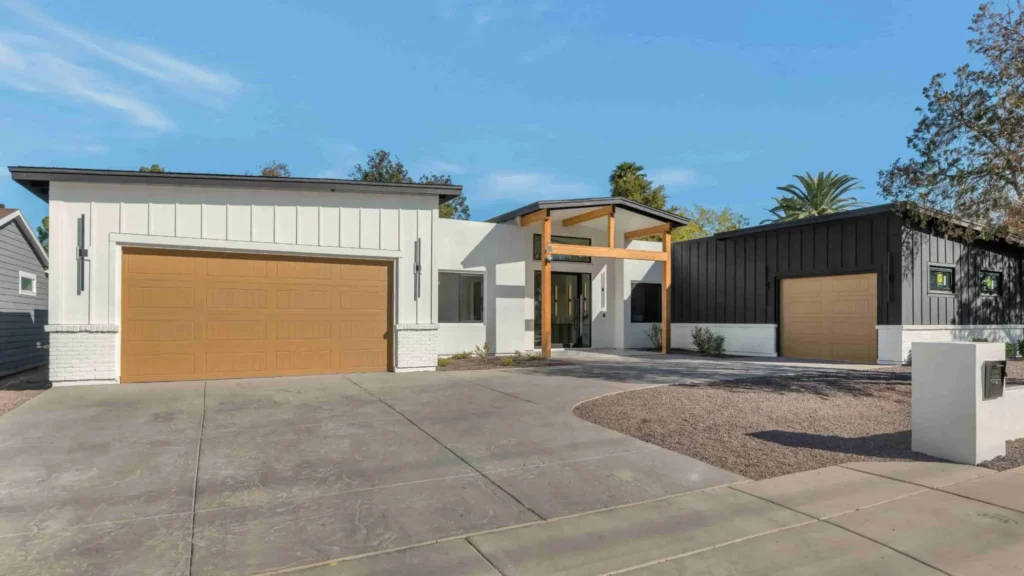
For many homeowners, the idea of building a custom home feels overwhelming. The process is unfamiliar, and there are countless decisions along the way — from choosing the right piece of land to understanding how design choices impact cost, timeline, and long-term performance. Without a clear roadmap, it’s easy to feel unsure about where to begin or what to expect next.
Understanding how the custom home building process actually works removes much of that uncertainty. While every project is unique, the overall journey follows a clear progression from concept to completion. When each phase is approached thoughtfully, building a custom home becomes less intimidating and far more rewarding.
Starting With the Right Foundation: Land and Feasibility
The process begins with understanding the land. Before design moves forward, factors such as zoning requirements, setbacks, utility access, and soil conditions must be evaluated. These elements influence not only what can be built, but how efficiently and cost-effectively the home can be constructed.
A thorough feasibility review helps identify potential challenges early, whether that’s grading requirements, utility extensions, or design limitations imposed by local jurisdictions. Addressing these considerations upfront prevents costly surprises later and ensures the design aligns with real-world constraints rather than idealized assumptions.
For many homeowners, this stage is where the project begins to feel real. Understanding the land sets expectations and provides clarity before significant design decisions are made.
Choosing the Right Builder or General Contractor
One of the most important decisions in the custom home building process is selecting the right builder or general contractor. This choice shapes not only how the home is built, but how the entire experience feels from start to finish. A qualified builder does far more than manage construction — they guide decisions, coordinate teams, and help translate vision into reality.
At this stage, homeowners often wonder whether to work with a general contractor, a custom home builder, or a design-build firm. While the structures differ, what matters most is experience with projects of similar scope and complexity. A builder who understands custom construction, local regulations, and high-end detailing can help identify challenges early and offer practical solutions before they become costly issues.
Just as important is alignment. Building a custom home is a collaborative process that unfolds over many months, sometimes years. Working with a builder who communicates clearly, listens carefully, and takes the time to understand your priorities creates trust and consistency throughout the project. When that relationship is established early, design decisions tend to be clearer, budgets more realistic, and timelines easier to manage.
Selecting the right builder early in the process also allows for better integration between design, budgeting, and construction planning. When the builder is involved from the outset, plans are shaped with real-world feasibility in mind, reducing the likelihood of redesigns or delays later on. That early collaboration often makes the entire journey smoother and more predictable.Whether working with a custom home builder or a general contractor, early involvement and experience in custom construction play a major role in how successfully a project unfolds.
Design and Budget Move Together
One of the most important aspects of building a custom home is aligning design with budget from the very beginning. Rather than designing first and pricing later, successful projects treat these steps as collaborative and ongoing.
Floor plans, elevations, and structural systems are refined while costs are evaluated in parallel. For this reason, homeowners may want to consider working with both their architect and builder simultaneously to ensure that costs remain within budget from both a design and logistical standpoint. This approach allows homeowners to prioritize what matters most — whether that’s architectural detail, entertaining spaces, or long-term efficiency — without sacrificing the overall vision. When design and budget move together, adjustments can be made thoughtfully instead of reactively.
This phase also creates space for meaningful conversations. Homeowners gain a clearer understanding of how design choices influence cost, and builders gain insight into what truly matters to the client. That shared understanding becomes the foundation for every decision that follows.
Pre-Construction and Permitting
Once plans are finalized, the project moves into pre-construction. Permits are submitted, schedules are established, and materials are ordered. While this phase may not feel exciting on the surface, it plays a critical role in keeping construction on track. Decisions made here directly impact the construction timeline, especially for custom homes that include specialty finishes, custom millwork, or integrated technology systems.
A well-managed pre-construction phase creates momentum. When this step is handled carefully, construction can proceed with fewer interruptions and greater efficiency.
Construction: Managing the Details
During construction, the builder’s role is to manage countless moving parts. Trades must be coordinated, quality must be monitored, and schedules must be adjusted as work progresses. For homeowners, this phase should feel guided rather than chaotic.
Regular updates, site walkthroughs, and clear expectations help maintain alignment between everyone involved. Instead of feeling removed from the process, homeowners stay informed and confident as the home takes shape.
Luxury custom homes often include details that can’t be rushed. Custom cabinetry, stone fabrication, specialty glazing, and advanced mechanical systems all require careful coordination. While this level of detail takes time, it ensures the finished home performs as beautifully as it looks.
Communication Throughout the Build
Clear communication is one of the most important elements of a successful custom home build. When homeowners understand what’s happening, what’s coming next, and why certain steps take time, the entire experience feels more manageable.
Proactive communication also helps prevent small issues from becoming major challenges. Questions are addressed early, decisions are clarified, and expectations remain realistic throughout the process. In many cases, strong communication doesn’t shorten the timeline — but it significantly improves how the timeline feels.
A builder who remains closely involved and accessible helps turn a complex construction project into a collaborative journey.
Final Walkthrough and Completion
As construction wraps up, systems are tested, inspections are completed, and final details are addressed. The final walkthrough is not just about checking boxes — it’s about ensuring the home performs as intended and meets the expectations set during planning and design.
This stage provides an opportunity to review finishes, understand how systems operate, and confirm that every detail has been completed with care. When keys are handed over, the goal is confidence, not uncertainty.
A successful completion feels less like the end of a project and more like the beginning of a new chapter.
Final Thoughts on the Process
Knowing how to build a custom home transforms the experience from intimidating to empowering. When the process is structured, transparent, and guided by experience, homeowners can focus on the excitement of creating something meaningful rather than worrying about what comes next.
At Erwin Jaye, we believe the best custom homes are built through trust, communication, and a deep understanding of each client’s vision. That’s why we stay closely involved at every step of the journey — from early planning through final walkthrough — ensuring the process feels clear, supported, and intentional.
If you’re considering building a custom home and want a team that will guide you every step of the way, we invite you to connect with Erwin Jaye and start the conversation.